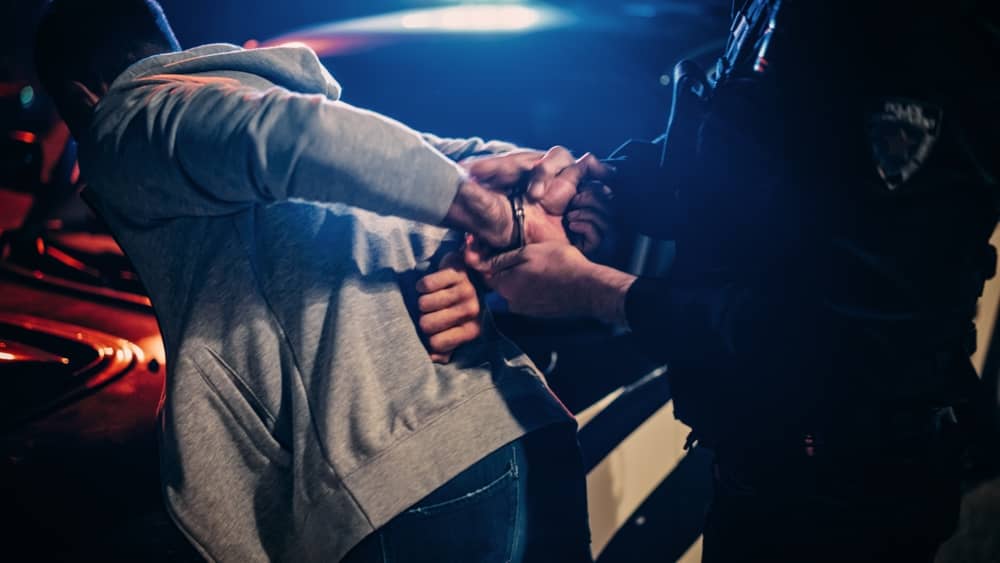
Police misconduct refers to inappropriate actions carried out by law enforcement officers in violation of their legal and ethical obligations. This troubling issue can manifest in various forms, including excessive use of force, racial profiling, wrongful arrests, and corruption. Such behaviors not only undermine the trust between communities and police departments but also perpetuate systemic injustices that can have lasting impacts on society. Understanding the nuances of police misconduct is crucial for fostering accountability and promoting more effective policing practices.
The prevalence of police misconduct highlights the need for comprehensive reforms and robust oversight mechanisms to protect citizens’ rights and ensure lawful behavior by those tasked with upholding the law. With growing movements advocating for police accountability and transparency, it has become increasingly important to address these issues head-on. In this article, we will explore some of the most common forms of police misconduct, the factors that contribute to these behaviors, and the potential solutions to create a more just and equitable system of law enforcement.
Common Forms of Police Misconduct
One of the most concerning forms of police misconduct is excessive use of force, which can lead to severe physical and psychological harm to individuals, particularly in marginalized communities. This behavior often arises from inadequate training, a culture of aggression within police departments, or a lack of accountability for officers who engage in such actions. Additionally, racial profiling remains a persistent issue, where officers disproportionately target individuals based on their race or ethnicity, further eroding trust in law enforcement. For an in-depth look at these issues, you can read more from CityWatch LA on the most common police misconduct.
Factors Contributing to Misconduct
Several factors contribute to the prevalence of police misconduct, including systemic issues within law enforcement agencies and broader societal influences. A lack of effective oversight, combined with insufficient training on ethical conduct and community engagement, often enables harmful practices to thrive. Furthermore, the pressure officers face in high-stress situations can lead to poor decision-making. Addressing these underlying causes is essential for implementing meaningful reforms that promote accountability and rebuild the essential trust between police officers and the communities they serve.
In conclusion, tackling police misconduct requires a multifaceted approach that addresses both systemic flaws within law enforcement agencies and societal influences that condone such behaviors. Comprehensive training focused on de-escalation, cultural competency, and ethics is vital to equip officers with the skills needed to engage positively with the communities they serve. Additionally, establishing independent oversight bodies can provide the necessary checks and balances to hold officers accountable for their actions, thereby fostering a culture of transparency and integrity. As we strive for a fairer justice system, it is imperative that communities and law enforcement collaborate to create an environment where respect for human rights and ethical conduct is paramount, ultimately leading to safer communities for all.