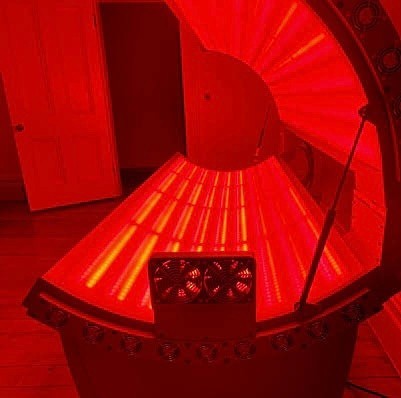
Light therapy devices have emerged as innovative tools in the realm of wellness and healthcare, harnessing the power of specific wavelengths of light to promote physical and mental well-being. From alleviating symptoms of seasonal affective disorder to enhancing skin health and aiding in circadian rhythm regulation, these devices offer a non-invasive approach to various health concerns. As the understanding of light’s impact on biology continues to grow, so too does the popularity of these therapies, leading to a surge in consumer interest and a range of available products.
This article delves into the different types of light therapy devices, exploring how they work, their potential benefits, and considerations for use. As more individuals seek alternative treatments that complement traditional medicine, understanding how to effectively incorporate light therapy into daily routines can prove invaluable. Whether you are looking to boost your mood, improve your skin, or regulate your sleep patterns, light therapy devices may just offer the solution you need.
Types of Light Therapy Devices
Light therapy devices come in various forms, each designed to target specific health concerns. For instance, light boxes are commonly used to treat seasonal affective disorder (SAD) by emitting bright white light that mimics natural sunlight, helping to regulate mood and sleep. Similarly, LED light masks and handheld devices are gaining popularity for their ability to enhance skin health—reducing acne, fine lines, and pigmentation through the application of blue, red, or near-infrared wavelengths. These treatments are versatile, with options available for home use, making them accessible for anyone looking to improve their well-being.
Benefits and Considerations
The benefits of integrating Light Therapy Devices into daily routines can be significant. Users often report improved mood, better sleep quality, and noticeable improvements in skin condition. However, it is crucial to consider individual needs and potential side effects, as the efficacy of light therapy can vary from person to person. Consulting a healthcare provider can help users tailor their light therapy experience, ensuring it complements their overall health approach while maximizing benefits.
In conclusion, light therapy devices represent a promising avenue for individuals seeking to enhance their physical and mental health through non-invasive means. With their ability to address a variety of concerns—from mood regulation and sleep improvement to skin rejuvenation—they offer flexibility and accessibility that can seamlessly fit into modern lifestyles. As interest continues to grow, it is essential for users to stay informed about the different types of devices available and their specific applications, ensuring they adopt approaches that are safe and effective for their unique needs. By thoughtfully integrating light therapy into daily routines, individuals can harness the therapeutic potential of light and embark on a journey towards improved well-being.