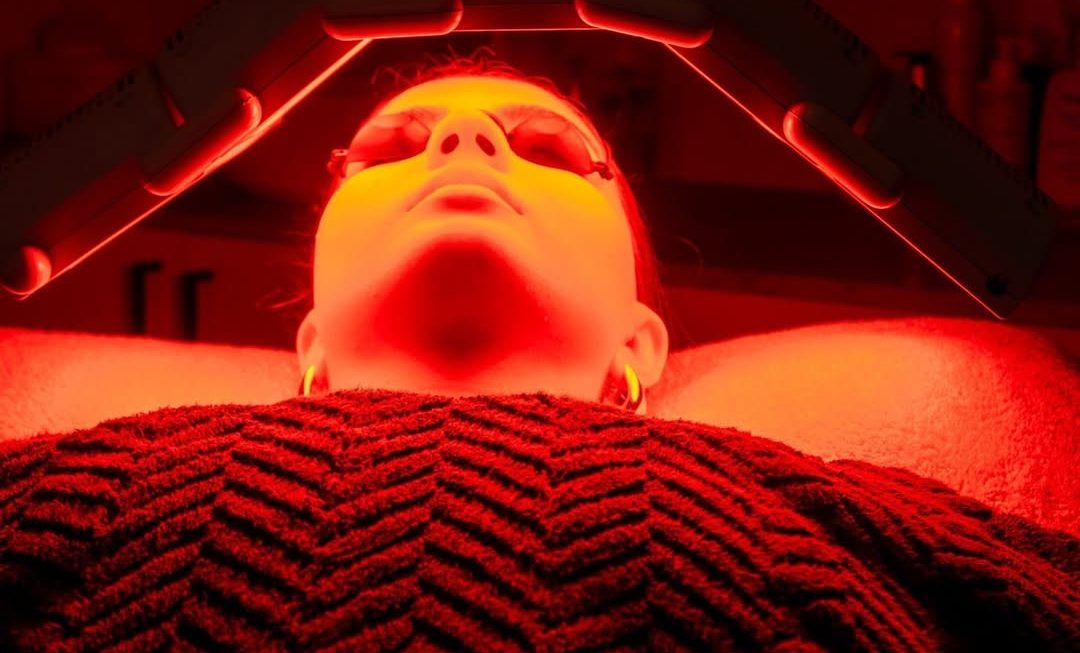
Red light therapy (RLT) has emerged as a promising non-invasive treatment method that harnesses low-level wavelengths of red light to promote healing and rejuvenation. With roots in photobiomodulation, this innovative therapy has gained traction among health enthusiasts, researchers, and skincare professionals alike. Many studies suggest that RLT may enhance cellular function, reduce inflammation, and accelerate tissue repair, making it a versatile option for a variety of conditions ranging from acne and wrinkle reduction to muscle recovery and joint pain relief.
As the wellness industry continues to evolve, understanding the mechanisms and potential benefits of red light therapy is crucial for anyone considering this treatment. In this article, we will explore how RLT works, the scientific basis behind its effectiveness, and provide insights into its applications in both clinical and home settings. Whether you are seeking relief from chronic pain or aiming to elevate your skincare routine, red light therapy may offer a glimmer of hope in your health journey.
How Red Light Therapy Works
Red light therapy operates on the principle of photobiomodulation, wherein specific wavelengths of light penetrate the skin to stimulate cellular activity. This process enhances mitochondrial function, leading to increased ATP production, which is essential for energy transfer within cells. By augmenting cellular metabolism, RLT can promote tissue repair, reduce inflammation, and support skin rejuvenation. Additionally, the anti-inflammatory effects of red light may help alleviate pain in conditions such as arthritis and chronic inflammation, making it a versatile option for both aesthetic and therapeutic applications.
Applications of Red Light Therapy
The versatility of red light therapy extends to various health and wellness concerns. Many users find it beneficial for improving skin appearance by reducing wrinkles, scarring, and acne, as well as promoting hair growth in those experiencing hair loss. Furthermore, athletes and fitness enthusiasts are increasingly turning to RLT for expedited muscle recovery and pain relief. This is particularly highlighted in the context of Red Light Therapy for Muscle Recovery, where studies show that light exposure can enhance the healing process following strenuous exercise, reducing downtime and improving overall performance.
In conclusion, red light therapy stands out as a pioneering tool in the realm of health and wellness, offering a multifaceted approach to various physical ailments and aesthetic concerns. Its non-invasive nature and a wealth of scientific research backing its efficacy make it an attractive option for individuals seeking alternative or complementary treatments. From promoting cellular regeneration and mitigating inflammation to enhancing skin quality and accelerating recovery, RLT is forging new pathways in both clinical practices and home therapies. As more people become aware of its benefits and accessibility, red light therapy may very well redefine how we approach healing and self-care in an increasingly health-conscious world.