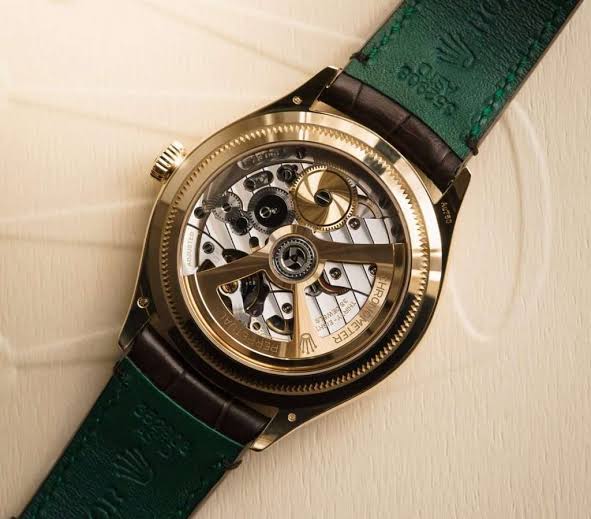
In the ever-evolving world of luxury timepieces, clone watches have emerged as an intriguing phenomenon, capturing the attention of avid collectors and casual buyers alike. These replicas, often designed to mimic the look and feel of high-end brands at a fraction of the cost, spark a heated debate surrounding authenticity, value, and craftsmanship. As consumers become increasingly savvy, understanding the complexities of clone watches is essential for anyone looking to navigate the fine line between luxury and imitation.
In this article, we will delve into the fascinating realm of clone watches, exploring their origins, how they are made, and the ethical considerations that come into play when choosing to wear or purchase a knockoff. By examining both the allure and the pitfalls of clone timepieces, we aim to provide readers with a comprehensive perspective that empowers them to make informed decisions in their watch-buying journeys.
The Origins and Craftsmanship of Clone Watches
Clone watches have their roots in the global demand for luxury without the accompanying price tag. These timepieces, often crafted in regions known for their watchmaking heritage, utilize a combination of modern manufacturing techniques and traditional designs to create impressive replicas. While some clones merely mimic the aesthetics of high-end brands, a subsection known as 1:1 super clone watches strives for accuracy in both appearance and functionality, rivaling their authentic counterparts in more ways than one.
The Ethical Dilemma
The rise of clone watches inevitably brings ethical questions to the forefront. For some, purchasing these replicas can be viewed as a straightforward way to access luxury without financial strain. However, this choice can blur the lines of authenticity and value, potentially detracting from the prestige associated with genuine brands. Additionally, the proliferation of clones can harm the luxury market, leading to job losses and diminished brand identities. As consumers weigh the pros and cons, it becomes vital to consider not just the financial aspect but also the ramifications of choosing imitation over authenticity.
In conclusion, the phenomenon of clone watches serves as a double-edged sword in the realm of luxury timepieces. While they provide an accessible gateway for individuals who admire high-end designs but may not possess the financial means to invest in authentic pieces, the implications of purchasing these replicas extend beyond mere aesthetics. Buyers must grapple with the ethical dilemmas and potential consequences of their choices, recognizing that while clone watches may offer immediate gratification, they can inadvertently undermine the very essence of craftsmanship and heritage that genuine luxury brands represent. Ultimately, fostering an appreciation for true artistry in watchmaking requires careful consideration, steering consumers toward informed decisions that honor both their personal style and the rich history of horology.