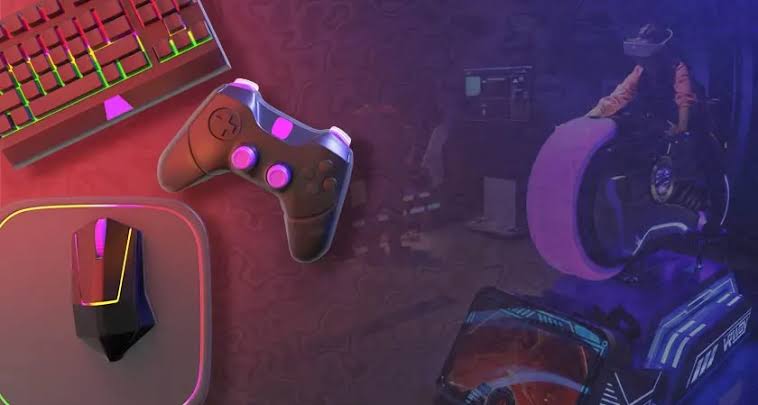
In recent years, online gaming has transformed from a niche hobby into a global phenomenon, captivating millions of players across all age groups. With the advent of advanced technology and the rise of high-speed internet, gaming has evolved into a vibrant social experience that transcends geographical boundaries. Players no longer engage in solitary quests; they collaborate, compete, and connect with friends and strangers alike in expansive virtual worlds. This article explores the dynamics of online gaming, its cultural impact, and the unique communities that have emerged from this digital entertainment medium.
As we delve deeper into the realm of online gaming, we’ll examine various genres that appeal to diverse audiences, from fast-paced battle royales to immersive role-playing games. We’ll also discuss the implications of this growing industry, such as the rise of esports and the influence of streaming platforms on how games are played and perceived. By understanding the complexities of online gaming, we can appreciate not just the games themselves, but also the rich tapestry of interactions and experiences that shape the lives of gamers today.
The Rise of Esports
Esports has surged in popularity, evolving into a competitive arena that rivals traditional sports in terms of viewership and fan engagement. Major tournaments attract millions of spectators both in-person and via streaming platforms, transforming game-playing into an exhilarating spectator sport. Players often train rigorously, honing their skills to compete for lucrative prizes and sponsorships. This newfound recognition has not only altered how games are developed but has also given rise to professional teams and leagues. Communities have flourished around specific titles, cultivating a sense of camaraderie among fans. For those looking to enter this vibrant ecosystem, platforms like bondan69 daftar offer opportunities to connect and engage with fellow enthusiasts.
Cultural Impact and Community
The cultural implications of online gaming extend beyond the gameplay itself, fostering diverse communities that reflect a range of interests and backgrounds. Gamers often build lasting friendships and support networks, which can be especially important for individuals seeking connection in a digital age. These communities create a shared identity through in-game achievements and collaborative experiences. Moreover, games serve as platforms for storytelling, encouraging players to explore complex narratives that resonate with real-world issues. Such engagements not only entertain but also provide gamers with unique spaces for creativity, expression, and dialogue.
As we look to the future of online gaming, it is evident that its influence will continue to evolve, intertwining with emerging technologies such as virtual and augmented reality, which promise to further enhance the immersive experience. The boundaries of gaming are constantly being pushed, leading to innovative play styles and enriching narratives that resonate with a broad audience. Furthermore, the growing emphasis on inclusivity within gaming communities is paving the way for a more diverse range of voices and stories, allowing underrepresented groups to share their experiences and enhance the collective gaming culture. Ultimately, online gaming is not just a means of entertainment; it is a dynamic social platform that fosters community, encourages collaboration, and transcends traditional forms of interaction, shaping the way we connect and engage with one another in this increasingly digital world.