Bollards are versatile and functional elements that play a crucial role in urban design and public safety. Initially conceived as simple posts to control traffic and secure pedestrian areas, these stand-alone structures have evolved into essential components of modern architecture. Today, bollards serve a multitude of purposes, from preventing vehicle incursions in crowded spaces to enhancing aesthetic appeal in public parks and streetscapes. As cities grow and the need for safety increases, the significance of bollards in mitigating risks and improving urban environments cannot be overstated.
In this article, we will explore the various types of bollards, their distinct features, and the creative applications that have emerged in contemporary landscapes. We will also discuss the materials used in bollard construction, their impact on safety regulations, and innovations that are transforming how these elements are integrated into urban settings. Whether for traffic management, security, or design enhancement, understanding bollards is fundamental to appreciating their role in shaping safe and inviting public spaces.
Types of Bollards
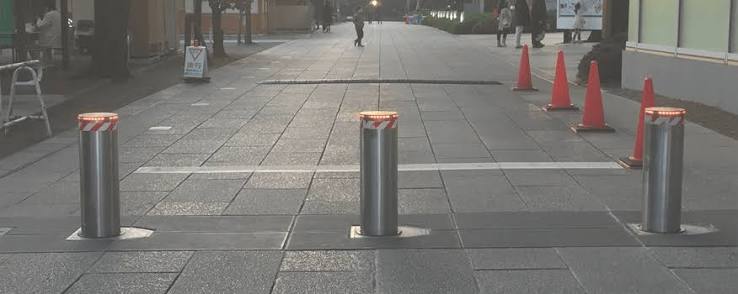
Bollards come in a variety of types, each designed to fulfill specific functions within urban environments. Decorative bollards may be crafted from attractive materials like cast iron or stainless steel, adding aesthetic value while providing minimal functionality. On the other hand, robust security bollards are engineered to withstand significant impacts, effectively protecting against vehicle attacks in high-risk areas such as government buildings and public gatherings. Among these, high security bollards offer advanced safety features that are increasingly sought after in urban planning, ensuring that pedestrian areas remain safe while allowing for a fluid cityscape.
Creative Applications of Bollards
Beyond their functional roles, bollards have found creative applications that enhance urban design. Cities are increasingly using them to define spaces, control pedestrian movement, and even as platforms for public art. They can delineate bike lanes, protect outdoor dining areas, or serve as mounting points for signage, making them versatile tools in urban design. Furthermore, with innovations like solar-powered bollards integrating lighting features, these structures not only serve safety functions but also contribute to the overall ambiance of public spaces, making them more inviting for residents and visitors alike.
In conclusion, bollards have transformed from simple traffic control devices into multifaceted elements that significantly enhance urban design and public safety. Their diverse types and applications underscore their importance in addressing the varied needs of modern cities, from ensuring security in high-risk locations to adding aesthetic value through thoughtful design. As urban areas continue to evolve, the integration of innovative materials and technologies into bollard design will further redefine their roles, making them integral to creating safe, engaging, and visually appealing public spaces. Recognizing the impact of bollards not only illuminates their practical benefits but also emphasizes their potential to influence the character and functionality of our urban environments.