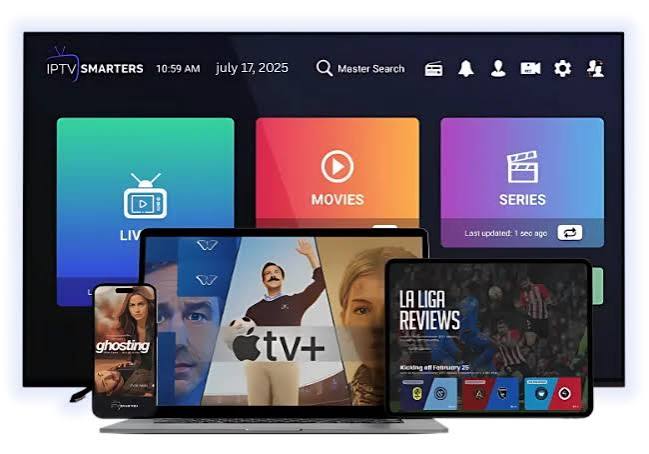
In today’s digital age, the way we consume television is rapidly evolving, with Internet Protocol Television (IPTV) emerging as a frontrunner in the realm of entertainment. IPTV delivers television programming and other multimedia content using the Internet protocol suite, allowing viewers to access an extensive array of channels and on-demand content seamlessly through their internet connection. This paradigm shift offers numerous advantages over traditional broadcasting methods, such as enhanced flexibility, personalized viewing experiences, and the potential for interactive features.
As more consumers seek alternatives to conventional cable and satellite services, IPTV has gained traction for its ability to provide high-quality streaming, diverse content libraries, and multi-device compatibility. This article delves into the intricacies of IPTV, exploring its technological foundations, various subscription models, and the implications it holds for the future of television viewing. Whether you are a tech enthusiast or simply looking to explore new entertainment options, understanding IPTV is essential in navigating the modern television landscape.
Understanding IPTV Technology
IPTV operates by transmitting television content over the Internet Protocol, which is fundamentally different from traditional methods such as satellite or terrestrial broadcasting. By utilizing a broadband connection, IPTV delivers content directly to viewers through a set-top box or compatible smart device, allowing for a more tailored viewing experience. This shift in technology empowers consumers to access media in various formats, from live television to video-on-demand, ensuring they have control over what to watch and when to watch it. Additionally, with features like time-shifting and catch-up television, IPTV enables users to rewind live broadcasts or enjoy previously aired shows at their convenience, further enhancing the overall viewing experience.
IPTV Subscription Models
One of the appealing aspects of IPTV is its flexible subscription models that cater to a diverse range of consumer preferences. Subscribers can choose from various packages, including pay-per-view options or monthly subscriptions with extensive channel offerings. For instance, some services focus on niche content, such as sports or international programming, while others provide comprehensive packages that rival traditional cable services. As viewers increasingly turn to options like German iptv for their viewing needs, providers are continuously innovating to attract a broader audience by incorporating features such as personalized content recommendations, user-friendly interfaces, and multi-device compatibility, paving the way for the future of television consumption.
As IPTV continues to transform the television landscape, its potential for growth and innovation remains promising. The increasing reliance on high-speed internet and advancements in streaming technology have set the stage for ever-expanding content libraries, interactive features, and enhanced user experiences. With the rise of smart televisions and mobile devices, viewers are no longer confined to traditional viewing methods, enabling them to curate their own entertainment schedules. Moreover, as providers compete to deliver niche and premium content, consumers benefit from more choices and better pricing structures. As the industry matures, it is clear that IPTV is not just a trend but a significant shift in how we engage with television, positioning itself as a cornerstone of modern entertainment that caters to the evolving needs and preferences of audiences worldwide.