In the realm of electrical infrastructure and high-voltage applications, the presence of sulfur hexafluoride (SF6) gas is critical due to its insulating and arc-extinguishing properties. However, as awareness of environmental impacts increases, the need for effective monitoring solutions has never been more pressing. SF6 gas detectors play a pivotal role in ensuring safety and compliance by identifying leaks and preventing potential hazards associated with this potent greenhouse gas.
This article delves into the functionality, importance, and advancements in SF6 gas detection technology. We will explore various types of detectors available on the market, their applications in different industries, and best practices for maintenance and implementation. By understanding how SF6 gas detectors work, users can better safeguard their operations and contribute to a more sustainable future.
Types of SF6 Gas Detectors
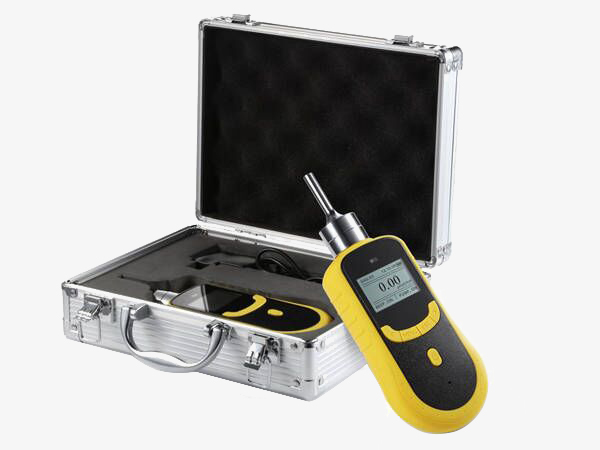
There are several types of SF6 gas detectors available, each designed to meet specific industrial requirements and operational environments. Popular options include portable units for immediate leak detection and fixed installations that monitor SF6 levels continuously. Many advanced detectors utilize infrared technology for precise measurement and early warning, while some models offer integrations with SCADA systems, enhancing real-time monitoring capabilities. The choice of detector often depends on factors such as range, sensitivity, and the specific application, whether in power generation, transportation, or other sectors. For effective selection and usage, exploring the features of the latest sf6 gas detector models can provide significant insight into the current technological landscape.
Best Practices for Maintenance
Regular maintenance of SF6 gas detectors is essential to ensure their reliability and accuracy. This includes routine calibration, functionality testing, and replacing worn-out components. Establishing a maintenance schedule helps identify potential issues early, thereby minimizing downtime and enhancing safety. Training personnel on the operation and upkeep of these detectors can significantly reduce response time in the event of a gas leak. By adhering to best practices, organizations not only comply with safety regulations but also extend the lifespan of their detection equipment, contributing to safer and more sustainable operations.
In conclusion, implementing SF6 gas detectors is an integral part of maintaining safety and environmental responsibility within industries that utilize sulfur hexafluoride. As technology continues to evolve, the efficacy and sophistication of these detection systems improve, enhancing the ability to monitor gas levels accurately and respond swiftly to potential leaks. Organizations should prioritize the selection of appropriate detectors tailored to their operational needs, while also committing to rigorous maintenance practices to ensure these systems function optimally. By investing in quality SF6 gas detection solutions and fostering a culture of safety and compliance, businesses can protect their workforce, reduce environmental impact, and align with global sustainability goals, ultimately paving the way for a greener future.