Basic Life Support (BLS) certification is an essential credential for healthcare providers and emergency responders, equipping them with the critical skills needed to act swiftly and effectively in life-threatening situations. This training focuses on the recognition of cardiac arrest, stroke, and other medical emergencies, along with the techniques of CPR (Cardiopulmonary Resuscitation) and using an Automated External Defibrillator (AED). Given the unpredictability of emergencies, having BLS certification is invaluable not only for medical professionals but also for anyone looking to enhance their ability to save lives in critical moments.
In an increasingly safety-conscious world, the demand for BLS-certified individuals is on the rise, as employers in various sectors, including healthcare, education, and corporate environments, recognize the importance of preparedness. This article delves into the BLS certification process, the key skills taught during training, and the benefits of being certified. Whether you are a seasoned healthcare worker or a layperson interested in learning more about life-saving techniques, understanding BLS certification can empower you to make a meaningful impact in emergency situations.
The BLS Certification Process
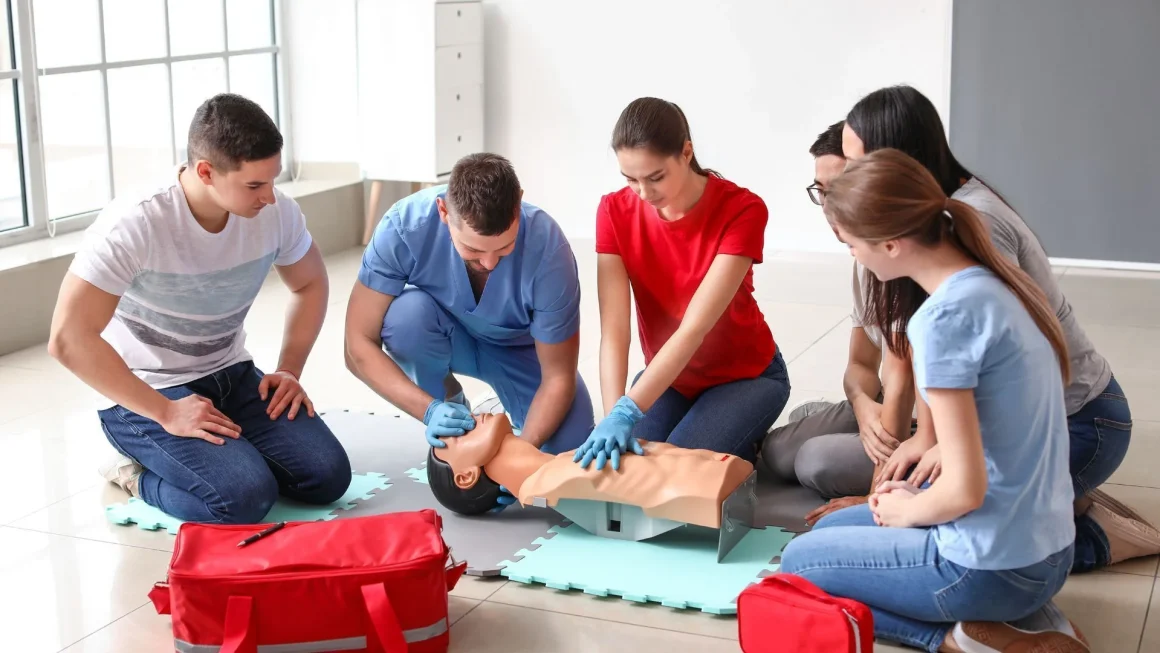
The process of obtaining BLS certification typically involves enrolling in an accredited training program, which can often be completed in a single day. During this training, participants learn to recognize the signs of life-threatening emergencies, perform high-quality CPR, and effectively use an Automated External Defibrillator (AED). Many programs include both hands-on practice and knowledge assessments to ensure that individuals are not only familiar with the skills but also confident in their ability to execute them when it counts. Upon successful completion, participants receive certification, which is usually valid for two years, encouraging continuous learning and refreshment of skills to keep pace with advancements in emergency care techniques. For those looking to pursue this essential training, resources can be found through various organizations that offer the bls certification.
Key Skills Taught in BLS Training
The curriculum of BLS training covers a wide array of critical skills that are vital in emergency situations. Participants learn how to perform chest compressions and rescue breaths for adults, children, and infants, adapting their techniques for each age group. The training also emphasizes the importance of quick and efficient communication with emergency services and other responders, highlighting the role of teamwork in saving lives. Additionally, learners are taught to recognize and respond to specific conditions such as choking, severe allergic reactions, and stroke symptoms, ensuring a comprehensive understanding of various emergency scenarios. This skill set not only empowers individuals to act confidently in crises but also promotes a culture of safety and preparedness in the workplace and community.
In conclusion, obtaining BLS certification is not merely an educational milestone but a pivotal step towards becoming a proactive member of society ready to confront life-threatening emergencies. The skills acquired during training equip individuals with the confidence and competence necessary to respond effectively in high-pressure situations, potentially making the difference between life and death. Whether in a professional setting or at home, the ability to perform CPR, use an AED, and recognize critical health issues can save lives and foster a greater sense of security within communities. By committing to continuous learning and skill refreshment, certified individuals not only enhance their own capabilities but also inspire others to prioritize safety and readiness, ensuring a collective effort in the face of emergencies. The value of BLS certification extends far beyond the certification itself—it embodies a commitment to stewardship and care for those around us.